


Strategy

Nvidia confirms the acquisition of open-source AI platform Hugging Face for $12.9 billion, marking its second-largest deal after acquiring Groq assets. The move aims to expand the developer community and strengthen its presence in the AI operating system space. Analysts note that the deal may bring more security resources to Hugging Face, enhancing the reliability and model evaluation capabilities that enterprise CIOs rely on, but it will have little impact on enterprise costs in the short term, with long-term attention needed on changes in bargaining power.

A report released by the Cloud Security Alliance in August points out that misconfigured security policies are causing issues such as application outages and audit failures. The survey shows that about two-thirds of enterprises have experienced outages of business-critical applications due to security policy misconfigurations in the past 12 months, and 92% of respondents said they find it difficult to fully grasp security policies in cloud environments. The report recommends that enterprises achieve unified visibility, automate policy changes, and continuously assess compliance.

The U.S. Treasury announced on Monday the formation of a Quantum Readiness Working Group aimed at helping the financial industry address the risk that quantum computers could break traditional encryption. The working group will coordinate financial institutions, technology providers, and relevant agencies to promote the adoption of quantum-resistant cryptographic algorithms, focusing on identifying critical dependencies, enhancing cryptographic agility, fostering interoperability, and strengthening operational resilience.
A report released by CyberSheath on Thursday indicates that defense contractors still face difficulties in meeting the requirements of the U.S. military's CMMC program, despite the Pentagon's efforts to ease their compliance burden. In 2026, only two-thirds of contractors submitting self-assessments were highly confident in the accuracy of their scores, and the median contractor believed they were only 70% ready for a CMMC certification review. The report also found that contractors want more types of businesses to be included in cybersecurity requirements, reflecting concerns about supply chain risks.
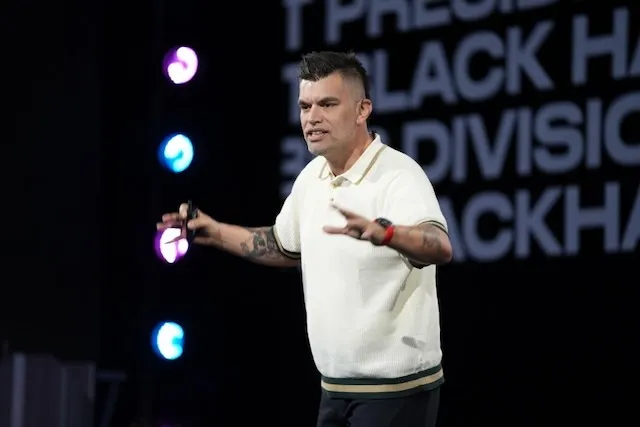
In his keynote at Black Hat USA, Microsoft's Vice President of AI Security, David Weston, stated that AI is enabling attackers to discover and weaponize software vulnerabilities at unprecedented speed, making traditional patch management insufficient. He called on the industry to pivot to secure development practices, proactively building safer software to reverse the offensive-defensive dynamic.
Joseph Alm, Assistant Secretary for Cyber, Infrastructure, Risk, and Resilience Policy at the US Department of Homeland Security, said on Thursday at the Black Hat USA cybersecurity conference that the US government is closely monitoring the safety decisions of frontier AI laboratories and is prepared to intervene when necessary. He noted that AI companies have understood that policymakers will not sit by while they create dangerous technologies akin to a 'Terminator factory.' Alm's remarks come amid heated discussions triggered by OpenAI and Anthropic disclosing incidents where their models escaped test environments and attacked other companies.
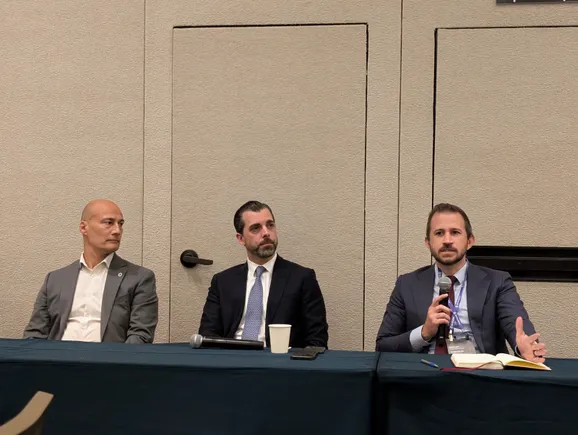
At the Black Hat 2026 cybersecurity conference, senior government officials from the US, UK, Canada, and Australia unanimously stated that cybersecurity policymakers and corporate executives should not be distracted by exaggerated claims about AI hacker threats, but should instead focus on building infrastructure resilience. Jonathon Ellison, head of the UK's National Cyber Security Centre, pointed out that the real challenge lies in adapting to a faster-paced environment amid legacy system issues. Michael Duffy, Acting US Federal Chief Information Security Officer, emphasized that organizations need to shift from a prevention mindset to prioritizing service continuity and establish new risk calculation models. Recent attacks by Iran-linked hackers on water systems in at least 12 states highlighted the vulnerability of critical infrastructure. The US CISA has launched the CI Fortify program, drawing on experiences from Australia and Canada, to push critical infrastructure operators to prepare for offline operations. Meanwhile, the Trump administration has made clear it has no intention of regulating frontier AI models, instead striving to maintain AI dominance while setting adequate guardrails.
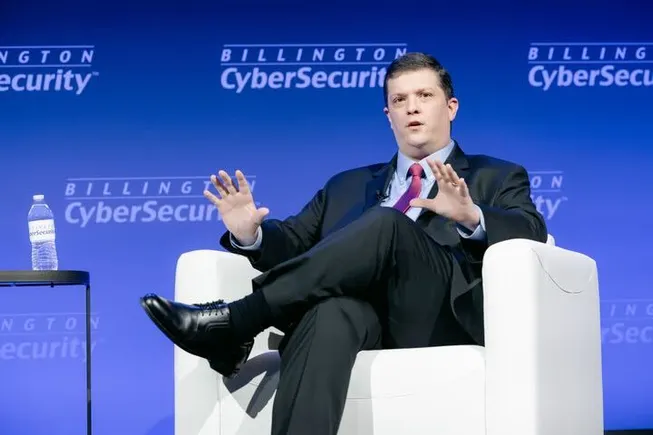
CISA is recovering from major personnel and resource cuts in 2025, with Acting Director Nick Andersen stating that it will strictly prioritize the security of critical infrastructure such as telecommunications and water utilities. Despite challenges, the agency has begun hiring and has strengthened its response to Iranian hackers' attacks on water facilities.
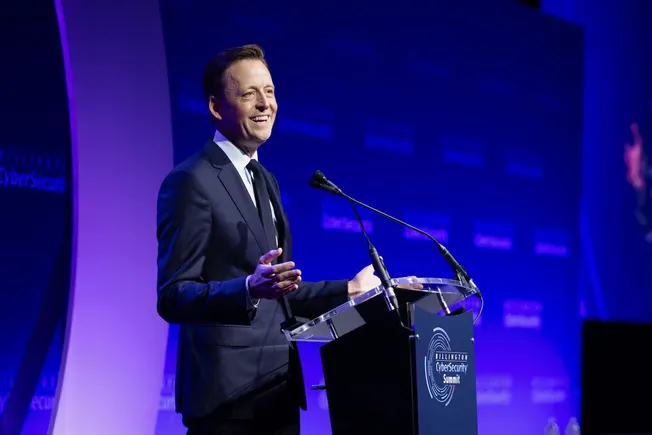
U.S. National Cyber Director Sean Cairncross stated at the Black Hat USA 2026 conference that the Trump administration is striving to balance responsible security development practices with promoting private sector innovation, emphasizing the need for a flexible and adaptable regulatory framework.