


Threats

OpenAI announced on Thursday that it will commit $1 billion to provide subsidized access and training for frontline cyber defenders, helping small IT security teams use cutting-edge AI to protect critical infrastructure. The project, named Daybreak for Frontline Defenders, will first run a six-month pilot in partnership with MS-ISAC and will cover areas such as healthcare and open-source maintainers.
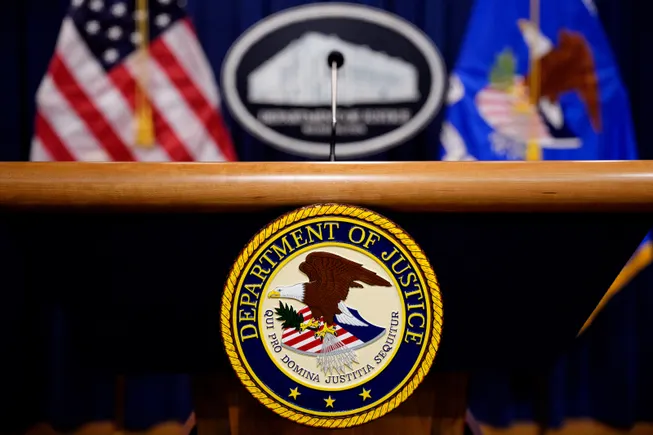
US law enforcement agencies and cybersecurity company CrowdStrike took joint action on Monday to dismantle the Russian Sality botnet, which had been operating for 23 years. The botnet had been in continuous operation since 2003, involving criminal activities such as spam, credential theft, DDoS attacks, and cryptocurrency hijacking. During this operation, US authorities seized related domains, CrowdStrike assisted in disconnecting infected devices from the network, and investigators from Bulgaria, Hungary, and Romania also carried out simultaneous crackdowns in their respective jurisdictions.

A new survey released by the Institute for Security and Technology (IST) reveals that the U.S. government is inadequately equipped to verify claims made by frontier AI labs about their products, and its reliance on industry expertise may pose risks of regulatory capture. The 111 national security respondents generally believe that speed and legal frameworks are the main barriers to addressing AI threats, while AI has recently helped attackers more than defenders.

At a media briefing in New York, Palo Alto Networks disclosed that after participating in Anthropic's Project Glasswing and OpenAI's Daybreak project, it found that frontier AI can compress a year's worth of vulnerability discovery work into months, and a single attacker with AI can possess nation-state-level attack capabilities. The 3-to-5-month attack window the company previously warned about is becoming a reality, with recent observations of attackers exploiting 50 vulnerabilities to complete a full attack chain within 10 hours.