


Latest news
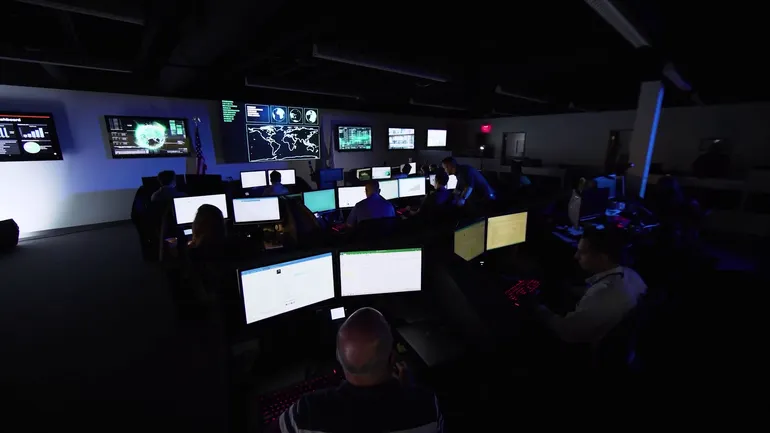
The termination of U.S. federal funding for MS-ISAC has led two-thirds of states and thousands of local governments to withdraw from the cyber collaboration organization, raising concerns about security risks to critical infrastructure.

Earlier this year, the Scattered Spider hacker group breached the networks of several major U.S. retailers and their suppliers, testing the low-key cybersecurity collaboration mechanisms within the retail industry. The Retail & Hospitality Information Sharing and Analysis Center (RH-ISAC) played a key role in coordinating the industry's response. Based on interviews with RH-ISAC Chief Security Officer Pam Lindemoen and others, this article analyzes how the industry addresses attacks targeting 'human weaknesses' through shared intelligence, strategies, and resources, and explores the challenges it faces and the progress it has made.

The Log4Shell vulnerability in 2021 prompted the U.S. government and tech giants to commit to strengthening open source software security, but nearly four years later, progress has stalled: generative AI diverts corporate resources, the Trump administration cuts CISA funding, experts depart, and pledged funds remain partially unfulfilled. Despite tools like Sigstore and Scorecard and new EU regulations, open source security still faces unresolved issues such as dependency risks and maintainer overload.

As government-backed hackers target food and agriculture companies, the industry's newly formed cyber collaboration organization—the Food and Agriculture Information Sharing and Analysis Center (Food and Agriculture ISAC)—is accelerating its development. This article outlines its founding background, operational model, partnerships with CISA and USDA, and analyzes the unique cybersecurity risks facing the industry.
The U.S. Federal Communications Commission (FCC) launched the U.S. Cyber Trust Mark program during the Biden administration to provide security certification for IoT devices. However, the new FCC chair under the Trump administration has initiated a China-related investigation into UL Solutions, the program's designated administrator, which may stall the program. Experts warn that a prolonged investigation will weaken the program's effectiveness and increase cybersecurity risks faced by consumers and businesses.

The U.S. government's plan to cut cybersecurity support for critical infrastructure has raised industry concerns. Experts note that budget reductions and responsibility shifts will exacerbate vulnerabilities, particularly impacting smaller operators.
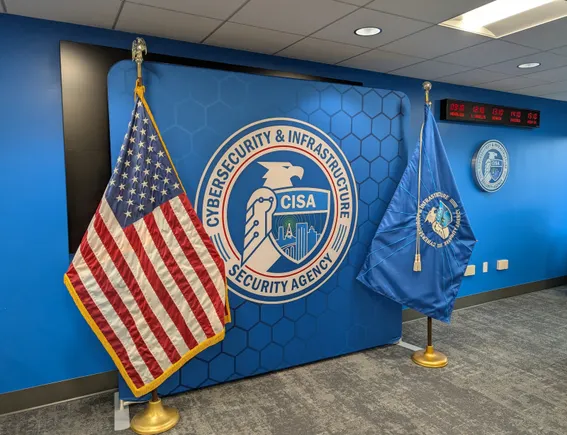
According to interviews with representatives from 14 critical infrastructure sectors, four former senior government cybersecurity officials, and multiple experts, the Trump administration's federal government restructuring has severely weakened the public-private partnerships that protect U.S. critical infrastructure from cyberattacks and physical disasters. Mass layoffs, mission uncertainty, and leadership vacancies have disrupted collaboration between the government and sectors such as healthcare, water, energy, and telecommunications, while sensitive information-sharing mechanisms like CIPAC have been eliminated, leaving industries deeply concerned about the government's ability to respond to major cyberattacks.

2025 opened with an exploit attack targeting an Ivanti zero-day vulnerability, mirroring attack campaigns from early 2024. Threat actors continue to target known weaknesses in the technology stack and have shifted focus to attacking service providers rather than individual enterprises, significantly increasing the severity of attacks. Meanwhile, the regulatory environment continues to evolve, and dissatisfaction among CISOs is spreading amid budget constraints and heavy workloads. This article outlines Cybersecurity Dive's core outlook for 2025.

In January 2025, federal network agencies and researchers again warned that attackers were exploiting a zero-day vulnerability (CVE-2025-0282) in Ivanti Connect Secure. This came about a year after the same product was exploited via two zero-day vulnerabilities (CVE-2023-46805 and CVE-2024-21887). The frequent occurrence of such incidents reveals that security flaws in network defense devices are continuously eroding corporate defenses. Edge devices such as firewalls and VPNs, lacking endpoint detection capabilities, have become preferred initial intrusion points for attackers. Experts point out that despite the risks, these devices will remain in use for the long term, and enterprises need to strengthen vulnerability management while addressing architectural challenges.

The widespread application of generative AI brings numerous risks, prompting enterprise CIOs to turn to the National Institute of Standards and Technology (NIST) AI Risk Management Framework to systematically identify, quantify, and mitigate risks. Institutions like Discover Financial Services ensure compliance and security while advancing AI innovation through risk classification, human oversight, and continuous monitoring.