


Latest news
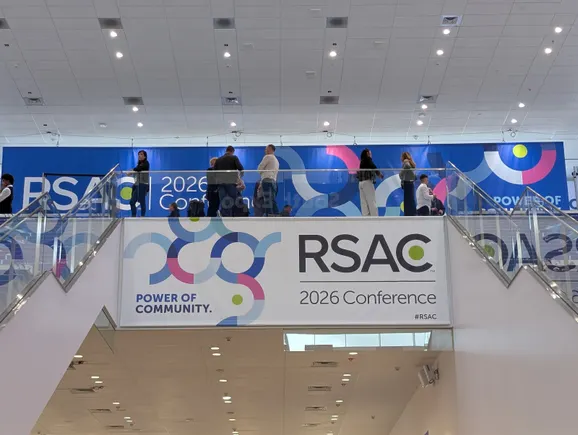
The 2026 RSAC conference took place from March 23 to 26, but U.S. government officials were absent for the first time. Previously, due to the conference organizers appointing former CISA Director Jen Easterly as CEO, the Trump administration canceled plans for officials from the White House, CISA, FBI, and NSA to attend. Multiple former government officials and industry leaders described the move as a 'missed opportunity' and an 'unforced error,' weakening collaboration between the government and the private sector in cybersecurity and the policy feedback mechanism.

Microsoft is collaborating with multiple security vendors to advance the Windows Resiliency Initiative, which aims to refactor how third-party security software operates within the Windows kernel to reduce risks similar to the CrowdStrike incident. The project is still in its early stages, involving complex work such as API redesign and feature migration, and is expected to proceed over the long term.
In 2026, the cybersecurity field will face more complex challenges. AI technology both enhances security operations efficiency and empowers attackers; the manufacturing industry experienced unprecedented destructive targeted attacks over the past year, sounding an alarm for critical infrastructure resilience; the cyber insurance market reaches a turning point with stricter underwriting reviews. Meanwhile, after large-scale layoffs, the adaptability and leadership of the U.S. Cybersecurity and Infrastructure Security Agency (CISA) draw significant attention. This article delves into these trends and key annual issues.
In 2025, the cybersecurity industry faced historic pressures: AI tools reshaped work methods while introducing new risks, and cybercrime tactics continued to escalate. Looking ahead to 2026, AI governance and guardrails, regulatory policy adjustments, a new phase in cyber insurance, patching challenges following the CVE project crisis, and operational resilience will become the five core trends. Based on expert interviews and the latest reports, this article provides an in-depth analysis of the specific impacts of these trends on enterprises.
The Thanksgiving weekend ushers in the holiday season, bringing the retail industry into a critical period, with security teams facing intensified challenges from threats such as ransomware. Reports show that over the past 12 months, more than half of ransomware attacks occurred during holidays or weekends, and about 80% of enterprises reduced staffing by over 50% during this time. Experts recommend maintaining robust cybersecurity practices throughout the year.

According to a report released by Palo Alto Networks in July, between May 2024 and May 2025, social engineering became the most common initial access vector in its incident response cases, accounting for 36%. Two-thirds of these attacks targeted privileged or executive accounts. Attackers used tools such as deepfakes and AI voice cloning to impersonate executives or employees, bypassing traditional security defenses. Notable examples include UK retailer Co-op losing $275 million after an employee was impersonated, and Workday facing IT and HR impersonation attacks. Experts point out that measures like Microsoft disabling macros have driven attackers toward more sophisticated techniques, such as the ClickFix method. The report recommends that enterprises adopt phishing-resistant multi-factor authentication and out-of-band verification to strengthen defenses.

A review of more than ten studies and meta-analyses since 2008 shows that common cybersecurity training methods do not significantly reduce people's susceptibility to phishing attacks, and in some cases even increase vulnerability. The research questions the value of mandatory training, criticizes remedial instruction for those who fail tests, and points out methodological flaws in early studies. Experts suggest that training should shift toward behavioral science, habit formation, and continuous feedback, rather than mere knowledge dissemination.
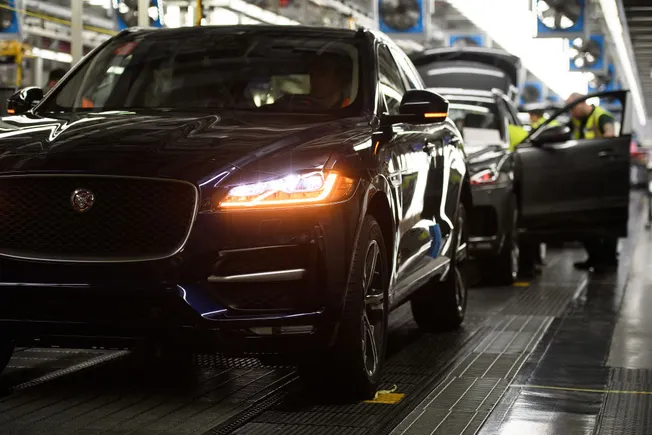
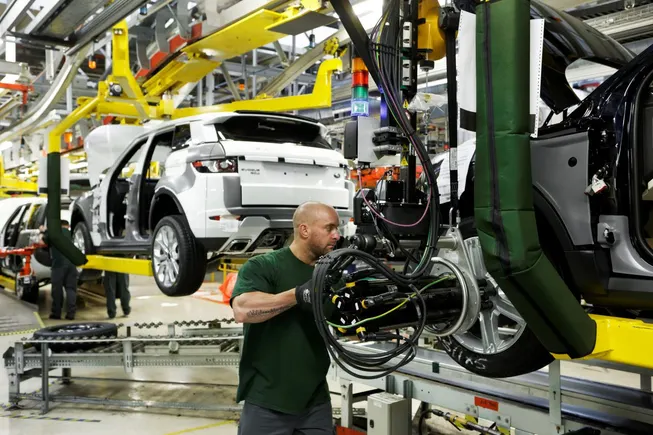
In recent years, cybersecurity experts have continuously warned that critical industrial sectors could suffer catastrophic cyberattacks, and now these warnings have become reality. The automotive industry, due to its reliance on IoT, wireless connectivity, and AI technologies, has become one of the victims of the most destructive attacks. From CDK Global to Jaguar Land Rover, attacks have caused production interruptions lasting weeks and paralyzed supply chains. Experts urge the industry to shift its mindset, viewing cybersecurity as disaster preparedness rather than mere prevention.